From Assimilation to Belonging
What do we see when we look at someone from a different culture? Do we notice the things that connect us, or do we see only what sets us apart?

What do we see when we look at someone from a different culture? Do we notice the things that connect us, or do we see only what sets us apart?
I have a habit of stumbling across things I didn’t know I was looking for. But what if those seemingly random coincidences aren’t quite so random after all? And what if recognising the connections between them is an art in itself?
What do a new car, a long hot shower, artificial intelligence, and a Hungarian grandmother have in common? More than I could possibly have imagined.
I thought I was simply deciding how to frame three pieces of Hungarian embroidery. I hadn’t anticipated what would emerge from the conversation.
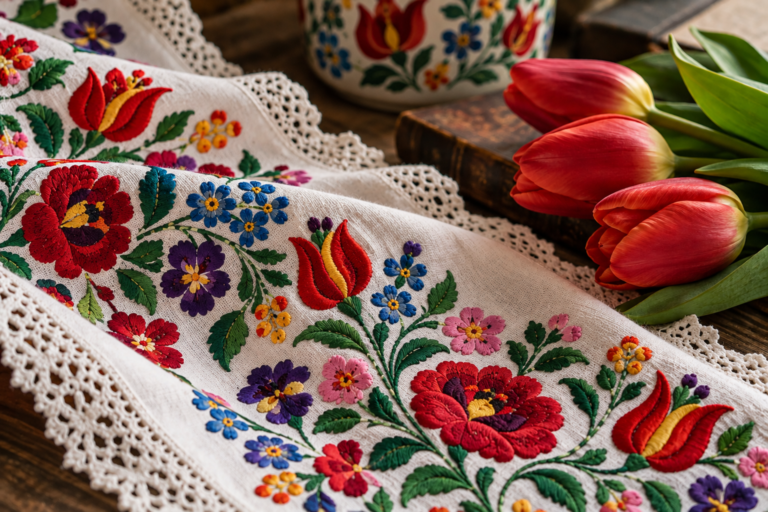
I love the unexpected tangents that emerge during counselling sessions—and the things I learn when conversations wander somewhere I never anticipated.
Naming a methodology is not always a neutral act. The words we choose—or choose not to use—often carry meanings of their own.
The most important discoveries in doctoral research are not always found in journal articles. They emerge when the project begins to reveal what it has been asking of you all along.

A missed coffee became an extraordinary reminder of what it means to matter to another person.
In trying to imagine an arts-based component for my doctoral research, I discovered that the metaphors guiding my thinking had quietly become the method itself.
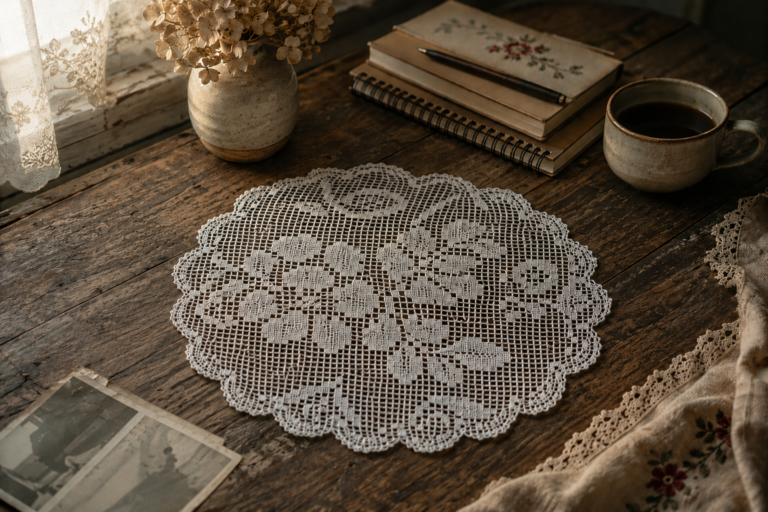
A poem about the quiet connections that endure across generations, and how ordinary acts can bring us closer to those we never had the chance to know.