From Assimilation to Belonging
What do we see when we look at someone from a different culture? Do we notice the things that connect us, or do we see only what sets us apart?

What do we see when we look at someone from a different culture? Do we notice the things that connect us, or do we see only what sets us apart?
I hadn’t expected my doctoral research to lead me back to my father’s death. Yet a poem about loss opened a door to memories, questions, and meanings I thought I had already understood.
Who gets to tell their story, whose voices are heard, and what happens when those who have been marginalised move towards the centre?
What happens to the stories and traditions we inherit as they travel across generations, across borders, and through time?
I thought I was simply deciding how to frame three pieces of Hungarian embroidery. I hadn’t anticipated what would emerge from the conversation.
I thought I was simply explaining my research to an ethics committee. Instead, I found myself understanding it in an entirely new way.

There are objects that quietly accompany us through whole chapters of our lives, collecting memories until the day comes when we have to let them go.
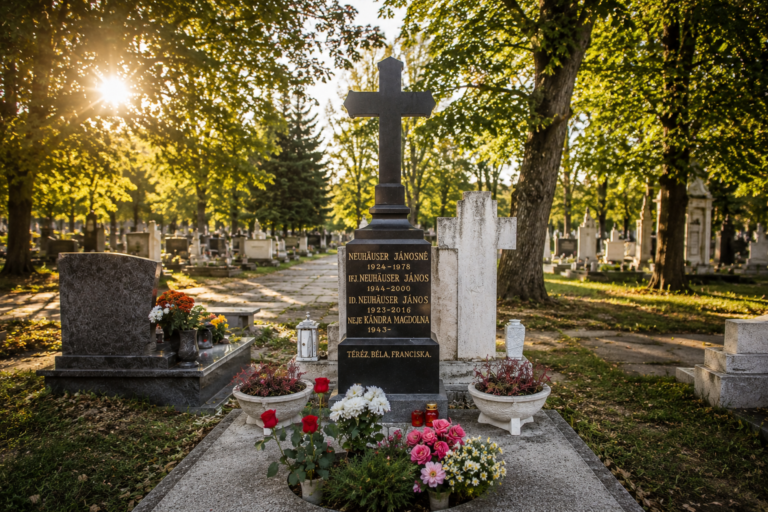
Home is sometimes less a place than a feeling. On a warm summer’s day in Hungary, I found both through the lens of a phone.
A virtual journey through Hungary rekindles memories that were never quite forgotten, and awakens a longing to rediscover the places that have lived quietly in my imagination for decades.

A smile. A passing comment. A joke shared across supermarket aisles. For a moment, we exist in each other’s day.